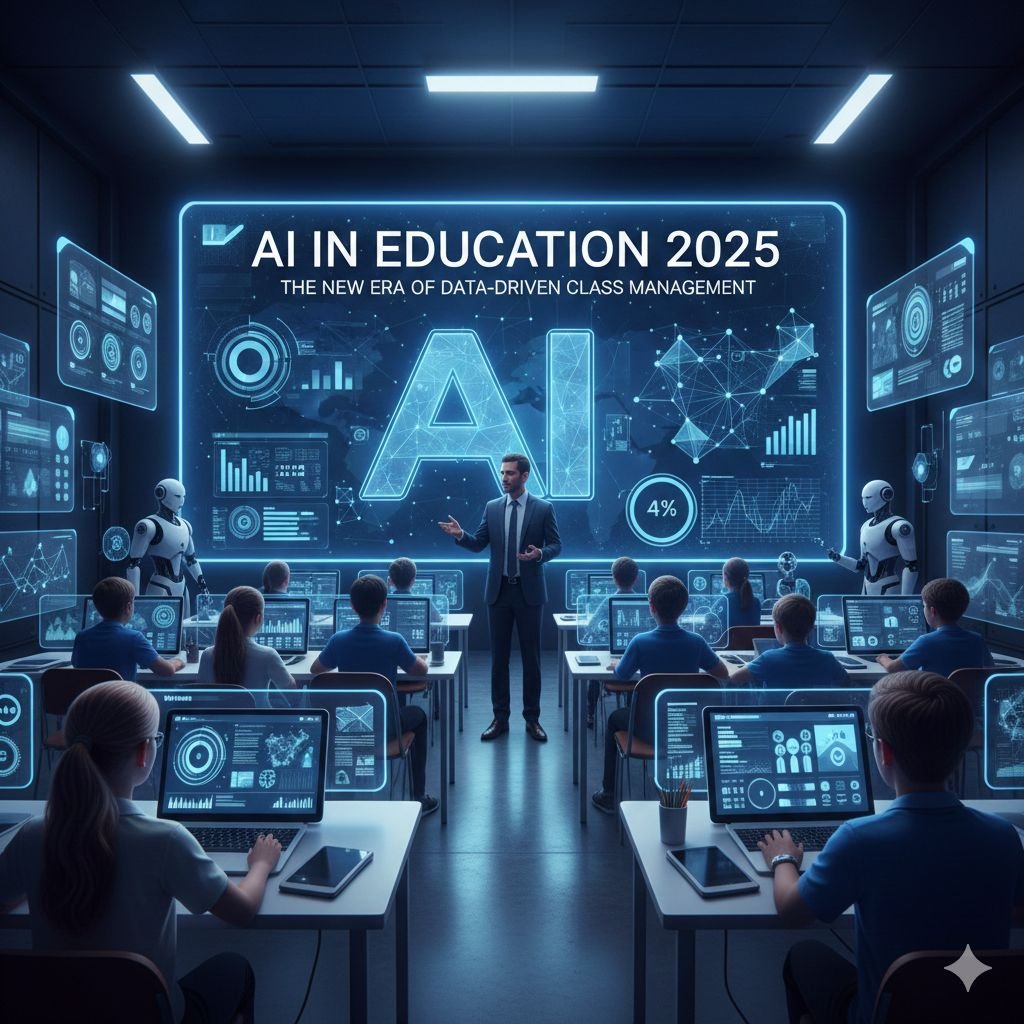
Artificial Intelligence is rapidly transforming how schools operate, and 2025 marks the beginning of a new era where classroom management becomes more data-driven, predictive, and efficient. With major edtech platforms releasing advanced analytics features, teachers now have access to tools that can analyze student performance in real time, detect learning difficulties early, and provide tailored recommendations.
1. Predictive Analytics for Student Performance
One of the most important innovations is the use of predictive analytics to forecast student outcomes. AI systems can analyze assignment patterns, attendance records, behavior trends, and quiz results.
From this data, the system can predict which students may struggle and offer actionable recommendations, helping teachers intervene early.
2. Behavior and Engagement Monitoring
Modern learning platforms now include AI-based engagement tracking. These tools can detect how long a student interacts with materials, which topics cause confusion, participation levels, and even signs of burnout.
For Networking departments, this helps teachers identify students who need extra guidance during hands-on lab sessions.
3. Personalized Learning Paths
AI can recommend personalized content based on each student’s learning style. Examples include adaptive quizzes, custom video recommendations, targeted practice questions, and step-by-step guidance for technical labs like cloud computing or MikroTik configuration.
This approach helps reduce learning gaps and accelerates skill mastery.
4. Reduced Administrative Work for Teachers
AI tools now automate repetitive tasks such as grading simple assignments, generating lesson summaries, tracking attendance, and preparing weekly progress reports.
This allows teachers to focus more on practical lessons, lab supervision, and curriculum development.
5. Privacy and Ethical Considerations
Despite the benefits, schools must manage AI implementation responsibly. Key concerns include data protection, transparency, preventing algorithmic bias, and ensuring AI is used to support teachers, not replace them.
Maintaining ethical and secure data practices is crucial for student trust.
Conclusion
AI in education is moving from experimental to essential. When implemented correctly, AI empowers teachers, supports personalized learning, and creates smarter, more efficient classrooms.
The future of education will blend human expertise with intelligent technology — and 2025 is just the beginning.